
 Global















How do I choose the right cleanroom product for my budget and application?
The right choice depends on the level of performance, documentation, and process control your application requires. Some environments call for higher-assurance products because the cost of variation is high, while other applications may allow for a more cost-conscious option that still delivers dependable, fit-for-purpose performance.
Why do some cleanroom and contamination control products cost more than others?
Products can vary in price because they are designed for different levels of risk, performance consistency, documentation support, and operational control. In more demanding environments, buyers may need products that support stricter cleaning standards, traceability, sterility, or compliance expectations, which can affect product positioning and price.
What does Berkshire mean by critical-use products?
Critical-use products are intended for applications where consistency, documentation, and process reliability are especially important. These products are often the strongest fit for highly controlled environments, regulated workflows, sensitive surfaces, or tasks where product variation could affect quality, compliance, or operational performance.
What does Berkshire mean by value-focused products?
Value-focused products are designed for applications where buyers still need dependable performance, but the environment may be less sensitive and the decision may place greater emphasis on budget efficiency and low cost in use. The goal is to provide a practical option that matches the task without over-specifying the solution. A good example of this is our Choice® and Pro-Wipe® product lines.
Does value-focused mean lower quality?
No. Value-focused does not mean poor quality. It means the product is better aligned to applications with a different balance of performance needs, documentation expectations, and cost priorities. The most important goal is choosing the product that fits the task and environment appropriately.
How does ISO classification affect which cleanroom products I should choose?
Berkshire supports customers across controlled environments, including applications aligned with ISO-classified cleanrooms from ISO 3 to ISO 5 and ISO 6 to ISO 8. That allows Berkshire to help buyers select products that fit both the cleanliness expectations of the environment and the practical needs of the process.
ISO classification directly influences how carefully cleanroom products should be selected because it helps define the level of environmental control required for the space. In general, as cleanliness requirements become more stringent, buyers typically place greater emphasis on product consistency, particle control, documentation, packaging, and overall suitability for controlled use.
That does not mean every product decision is based on ISO class alone. The correct choice also depends on the application, the task being performed, the level of process sensitivity, and any internal quality or regulatory requirements. However, ISO classification is an important starting point because it helps customers understand whether a more critical-use product may be appropriate or whether a more value-focused option can still support the process effectively.
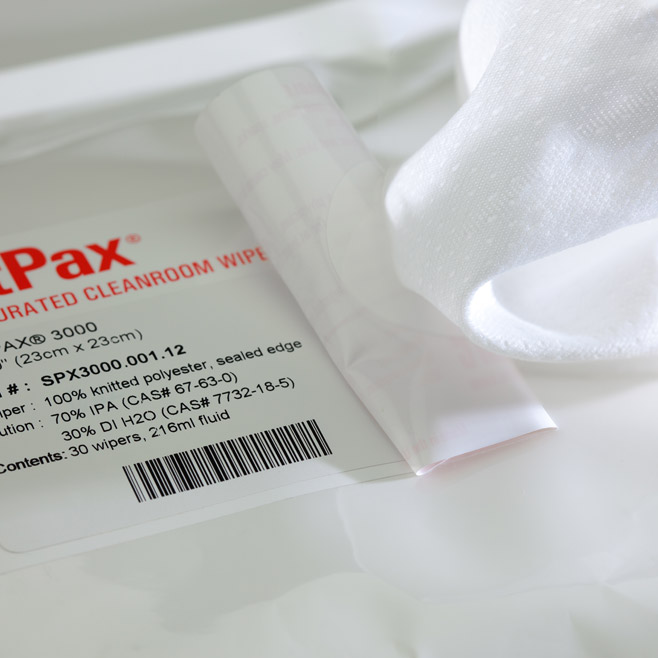
For example, in environments with tighter cleanliness expectations, buyers may prioritize products such as knitted sealed edge cleanroom wipes, sterile wipes, or pre-saturated wipes that support repeatable cleaning performance, documentation needs, and stronger contamination control practices. In less sensitive areas, the decision may allow more flexibility, provided the product still fits the task and supports the required level of cleanliness.
The most effective approach is to evaluate product selection through three connected factors:
- ISO classification: What level of environmental control does the cleanroom require?
- Application risk: How sensitive is the process, surface, or material being protected?
- Operational needs: What level of documentation, traceability, sterility, and performance consistency is required?
Berkshire supports customers across controlled environments, including applications aligned with ISO-classified cleanrooms from ISO 3 to ISO 5 and ISO 6 to ISO 8. That allows Berkshire to help buyers select products that fit both the cleanliness expectations of the environment and the practical needs of the process.
When should I choose a critical-use product?
A critical-use product may be the best choice when your application involves regulated manufacturing, aseptic workflows, sensitive materials, documentation requirements, sterility expectations, or other conditions where reliable performance and reduced operational risk matter most. In these cases, a higher-assurance product may help protect process integrity and support more consistent outcomes.
When might a value-focused product make more sense?
A value-focused product may make sense when the application is more routine, the risk level is lower, and the priority is finding the right balance between dependable performance and tighter budget control. For many customers, this approach supports efficient purchasing without compromising fit for the intended use.
Why is application fit more important than price alone?
Price is important, but it should be evaluated in the context of the actual task. A lower-priced option may not always deliver the best overall value if it creates rework, inconsistency, excess usage, or difficulty in the process. The strongest product choice is the one that matches the performance needs of the application and supports efficient day-to-day use.
What is total cost in use?
Total cost in use refers to the full operational cost of using a product, not just the purchase price. This may include product consumption, labor efficiency, consistency, rework risk, usability, and how well the product supports the process. In some situations, a product with a higher upfront price may help reduce overall operating cost because it performs more effectively in the application.
How can I tell if I am over-specifying or under-specifying a product?
A product may be over-specified if its level of assurance exceeds the actual needs of the task, adding cost without meaningful operational benefit. A product may be underspecified if it does not provide the consistency, documentation, or performance required for the environment. The best way to avoid both is to evaluate the product against the actual application, workflow, and risk level. Berkshire’s technical team can assist with matching the right product for your application.
What factors should I compare besides price?
Buyers should also compare product consistency, documentation availability, sterility options when needed, traceability, usability, surface compatibility, absorbency, durability, residue control, and overall fit for the environment. These factors often influence long-term value more than unit price alone.
Can Berkshire help me decide which product tier is right for my facility?
Yes. Berkshire’s technical team can help customers evaluate product fit based on the environment, application, documentation needs, and operational priorities of the facility. This helps ensure the recommended solution aligns with both technical requirements and budget expectations.
How does Berkshire support customers who are trying to control costs?
Berkshire supports cost-conscious customers by helping them identify products that match the real needs of the application, rather than automatically defaulting to the highest-specification option. This approach can help customers improve buying confidence, reduce unnecessary spend, and maintain dependable performance where it matters most.
Can Berkshire support both high-assurance and cost-conscious buying needs?
Yes. Berkshire works with customers across a range of controlled and industrial environments, from highly sensitive applications to more routine operational needs. That allows Berkshire to help customers choose products based on practical fit, process requirements, and budget considerations rather than a one-size-fits-all approach.
How do I get started with Berkshire if I am comparing product options?
The best place to start is reviewing your application requirements, risk level, and documentation needs. From there, Berkshire’s technical team can help you evaluate the options that best match your process, whether you need a higher-assurance solution for a critical environment or a more value-focused product for a lower-risk use case.
