Global




25
Jul
Jul
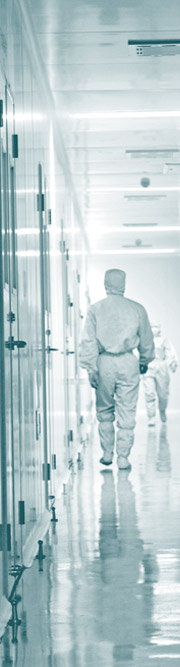
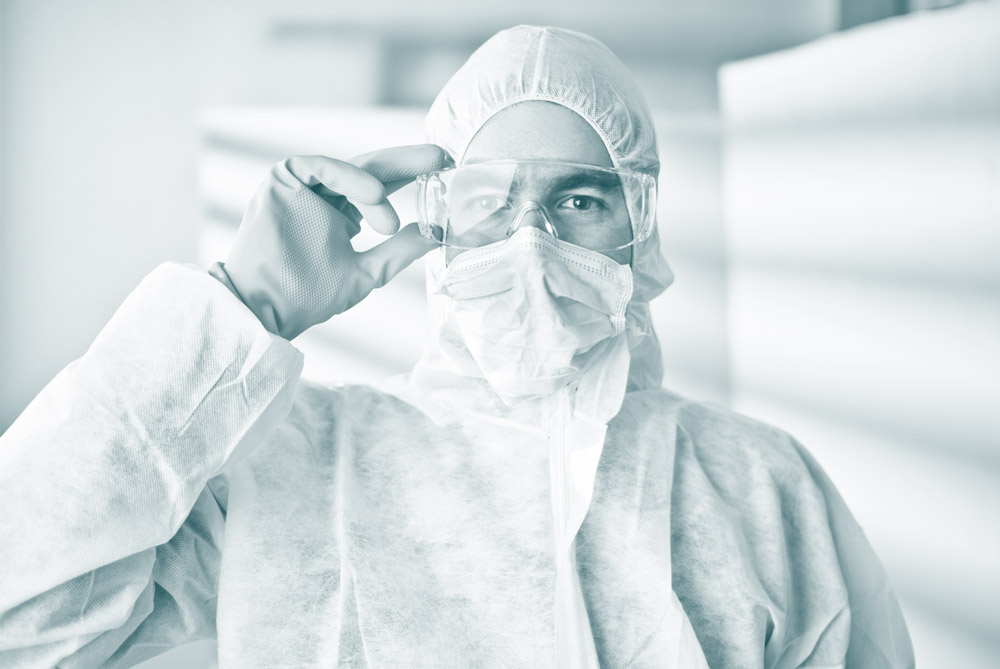
CLEANROOM PERSONNEL Cleanroom garments cannot contain all human detritus Particles (µm) travel up through the garments toward the head Particles (µm) fall down the legs during activity Gowning SOPs and continuous training is crucial
CLEANROOM PERSONNEL Cleanroom garments cannot contain all human detritus Particles (µm) travel up through the garments toward the head Particles (µm) fall down the legs during activity Gowning SOPs and continuous training is crucial
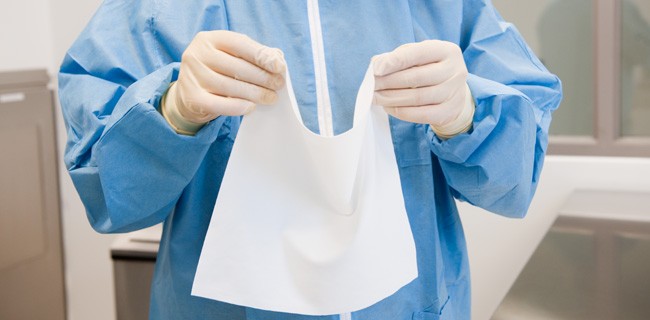
Berkshire’s Guide to properly fold and use a low-linting wiper for maximum efficiency and effectiveness in a controlled environment. Download our Cleanroom Proper Wiper Folding and Surface Cleaning Poster Today! Shop our Cleanroom Wipes
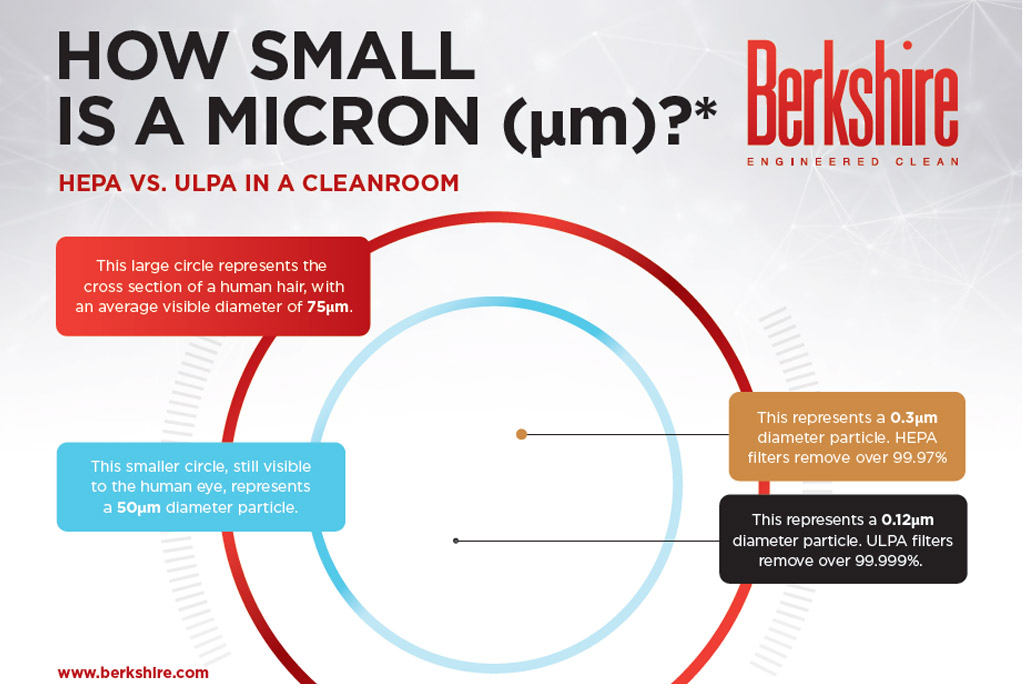
HEPA VS. ULPA IN A CLEANROOM 1. This large circle represents the cross section of a human hair, with an average visible diameter of 75μm. 2. This smaller circle, still visible to the human eye, represents a 50μm diameter particle. 3. This represents a 0.3μm diameter particle. HEPA filters remove over 99.97% 4. This represents [Read More…]

Your toast lands jelly side down on the floor. Could there be a more dramatic example of the contact transfer phenomenon described in “Particles on Surfaces 103”? You have no difficulty seeing the transfer of jelly to the floor and you can easily imagine that there is a simultaneous transfer of floor bacteria onto the [Read More…]
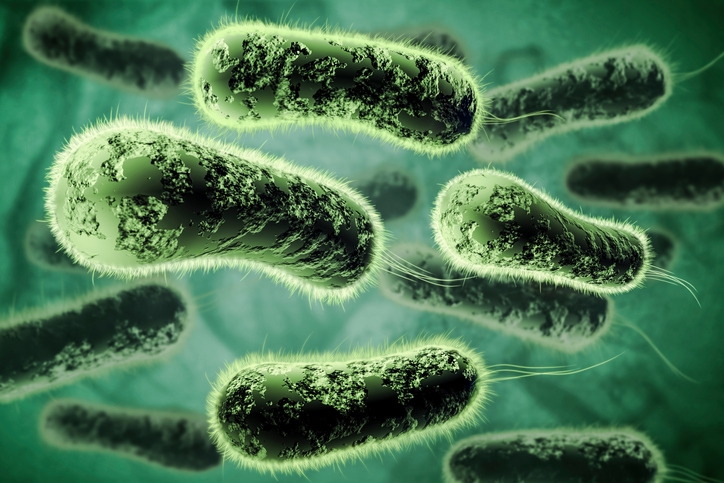
Introduction Pharmaceutical and medical device manufacturing personnel must cope with endotoxins – a contamination source unique to their industries. Endotoxins, also known as pyrogens, originate from dead (!) gram negative bacteria. When this strain of bacteria are killed by antibacterial reagents (say phenolic or quaternary ammonium compounds), radiation, steam sterilization, etc. the cell wall detritus [Read More…]
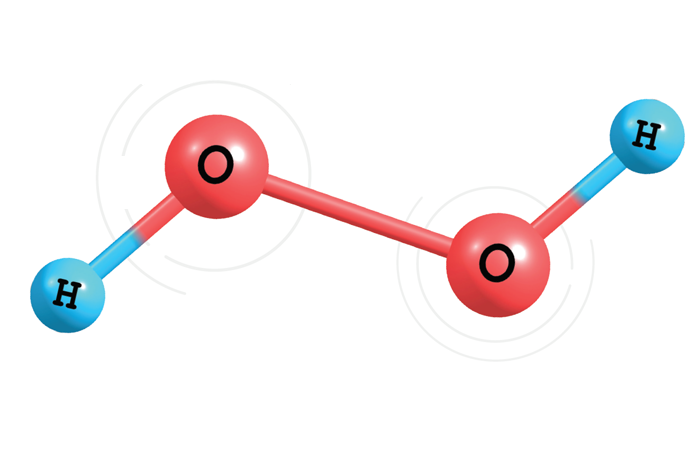
Disinfection of Surfaces with Hydrogen Peroxide Of all the contamination control activities in a cleanroom, perhaps the most critical are disinfection procedures. That’s because human health depends on the quality and thoroughness of a surface disinfection wipedown. Many solutions can be considered for surface disinfection, but hydrogen peroxide and sodium hypochlorite (bleach) rate special attention. [Read More…]
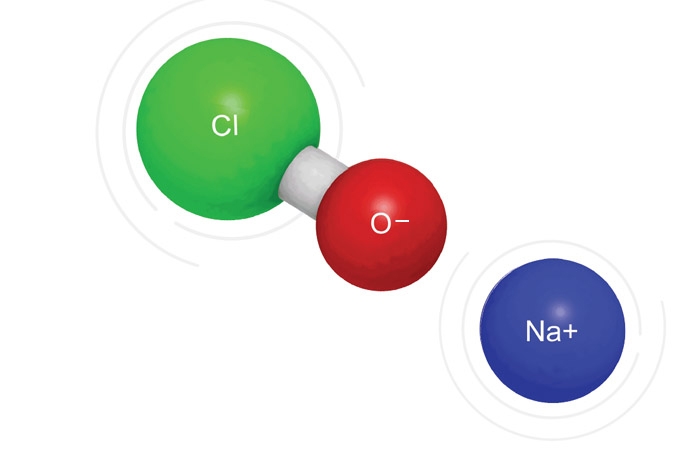
A previous article in this series discussed disinfection of surfaces with hydrogen peroxide. We turn our attention now to bleach as another very effective treatment agent. Most people understand that ordinary household bleach – a 5.5% solution of sodium hypochlorite (NaOCl) in water – is a strong disinfecting agent. In neutral or slightly acidic solutions the active [Read More…]
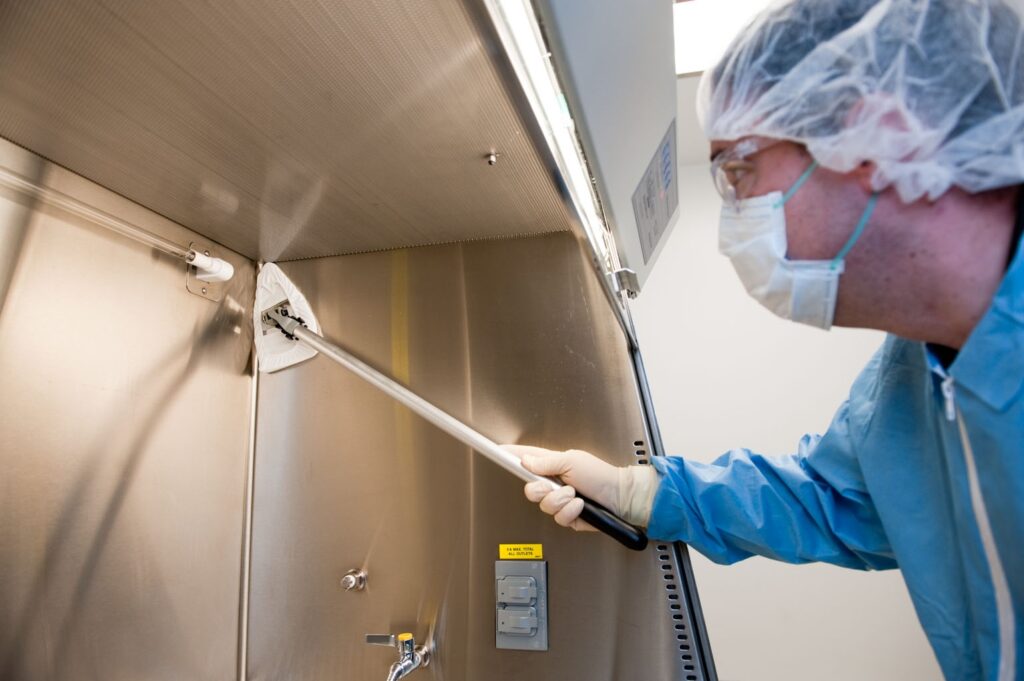
The EasyClean® 360 is the most efficient way to clean a laminar flow hood. It’s unique triangular shaped head allows it to clean the difficult tight corners in the hood. The tool is delivered with two handles, a 14” (35cm) and 24” (61cm). There is also another ordering option for a telescoping handle that will extend from 35 [Read More…]

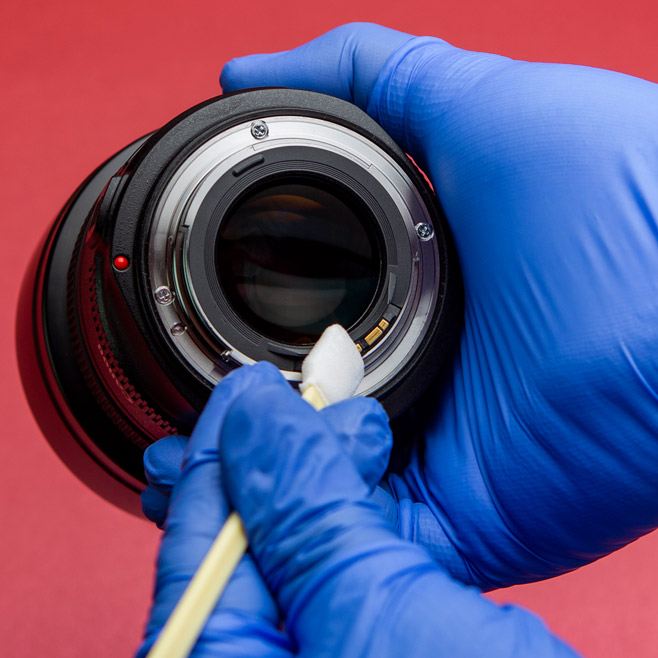
Faced with the problem of removing small bits of contamination in the cleanroom, you would probably have to invent the swab if it didn’t already exist. You would soon find that this little “wiper on a stick” would also prove invaluable in cleaning delicate mechanisms, in precision surface cleaning and in removing residues in hard-to-reach [Read More…]
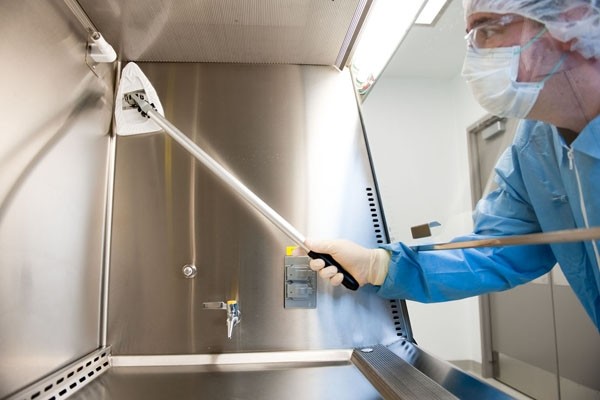
ISO Class 5 – Primary Engineering Controls (PECs) LAFWs – BSCs – CAIs – CACIs At the beginning of the each shift Before each batch No longer that 30 minutes after previous disinfection (during ongoing compounding) After spills When a surface contaminate is known or suspected Clean area after surface sampling (i.e. Contact Rodac Agar [Read More…]