
 Global










Cleaning & Disinfection, Knowledge Base
How Presaturated Cleanroom Wipes Support Cleaner Disinfection Workflows

Nov
Controlled Environments | Workflow Evaluation Guide
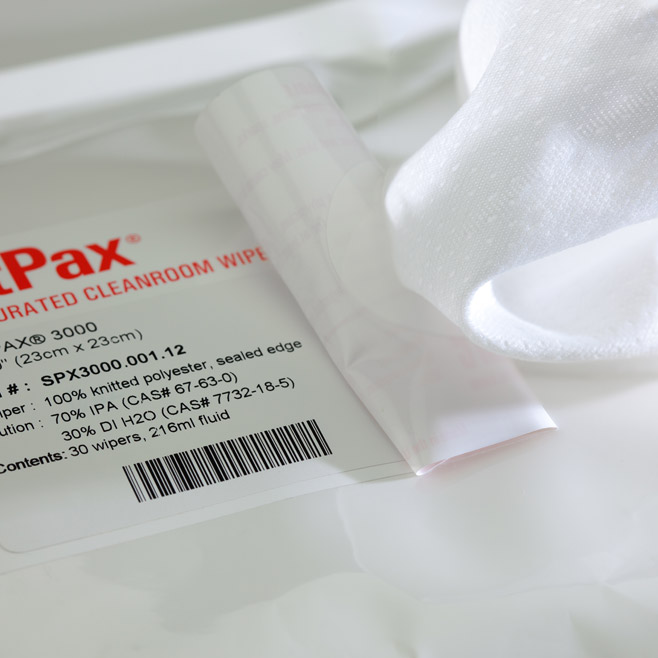
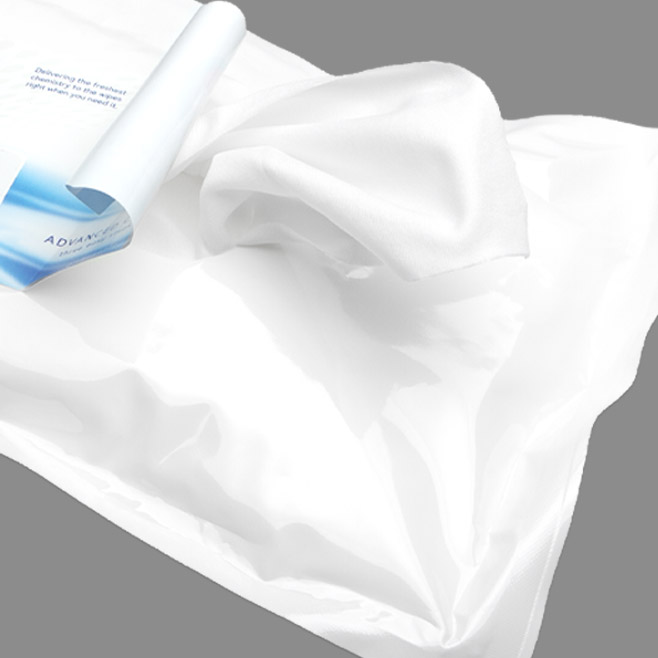
Cleaning performance is influenced not only by the chemistry selected, but also by how that chemistry is prepared, handled, and applied. Presaturated wipes combine the wipe and solution in a prepared format that can simplify preparation and support more consistent execution when appropriately matched to the task.
The decision to use a presaturated wipe should begin with the workflow rather than convenience alone.
Why handling matters in controlled environments
Every preparation step adds another opportunity for variation.
When operators manually pair dry wipes with bulk chemistry, differences can occur in how much solution is applied, how thoroughly the wipe is saturated, and how the material is handled before it reaches the surface.
In recurring workflows, those differences can affect:
- wipe wetness
- chemistry usage
- surface coverage
- preparation time
- handling before use
A presaturated format removes the manual wetting step by supplying the wipe and solution together. It does not replace a defined procedure or proper operator technique, but it does remove one variable from the preparation process.
Fewer preparation steps
With a presaturated wipe, operators do not need to select a dry wipe, add solution, and determine the appropriate saturation level at the point of use.
For routine tasks, that can simplify setup and provide a more direct transition from product preparation to surface cleaning. The benefit becomes particularly relevant when the same cleaning procedure is performed repeatedly across operators, shifts, or work areas.
More consistent wipe wetness
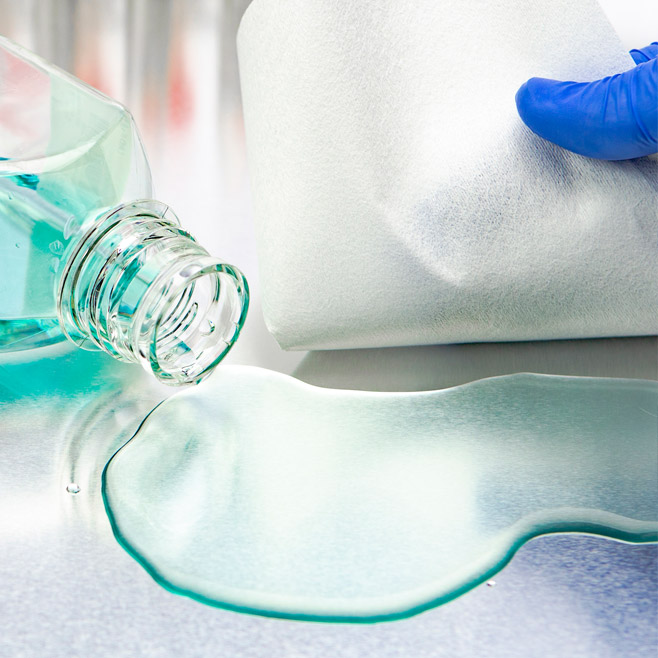
Manual saturation can produce different results from one wipe to the next. Too little solution may leave the wipe inadequately wetted for the intended cleaning step. Too much can create unnecessary dripping or make fluid control more difficult.
A presaturated product provides the wipe and solution together at a defined saturation level. The more useful question is whether that level is appropriate for the surface, chemistry, procedure, and coverage needed for the task.
The wipe and chemistry need to work as a system
A presaturated wipe should be evaluated as more than a convenient delivery format. The substrate needs to hold, release, and distribute the solution appropriately while maintaining its integrity during use.
Key considerations include:
- substrate compatibility with the incorporated solution
- strength and durability during wiping
- solution distribution and release
- control of excess dripping
- residue appropriate to the application
- suitability for the intended surface
This relationship between substrate and chemistry is especially important when a cleaning or disinfection process is performed repeatedly. A prepared format offers little advantage if the substrate itself is poorly matched to the task.
Where presaturated wipes can fit well
Presaturated wipes may be particularly useful for recurring tasks such as:
- routine cleanroom surface wipe-downs
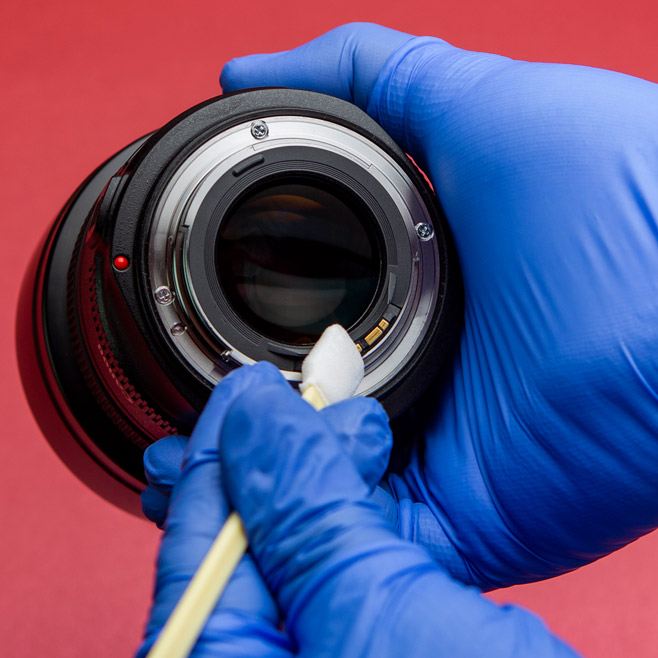
- equipment exterior cleaning
- pass-through and transfer-area cleaning
- frequently performed touchpoint disinfection
- standardized maintenance cleaning
In these applications, their value often comes from repeatability. Operators can begin with a consistently prepared wipe rather than recreating the wipe-and-solution combination each time.
Packaging is part of the workflow
Packaging should be considered alongside substrate and solution selection. Evaluate whether the package supports:
- staging within the controlled environment
- practical access during use
- storage and replenishment
- handling after the package is opened
A presaturated wipe may simplify preparation, but the overall format still needs to fit the way materials enter, move through, and are used within the controlled space.
When a dry wipe may make more sense
Presaturation is not automatically the best choice. A dry wipe may provide greater flexibility when:
- different chemistries are routinely used
- solution requirements change by task
- the required saturation level varies significantly
- operators need to control chemistry addition at the point of use
- a specialized substrate is needed that is not available in the preferred presaturated format
The choice is not dry versus presaturated in general. It is which format better supports the specific procedure.
A practical way to evaluate presaturated wipes
- Substrate performance. Evaluate particle and fiber generation, residue, strength, chemistry compatibility, and suitability for the target surface.
- Solution compatibility. Confirm that the incorporated chemistry aligns with the intended cleaning or disinfection procedure and the materials being treated.
- Saturation level. Determine whether the amount of solution provided supports the coverage and fluid control required during actual use.
- Packaging and presentation. Consider how the wipes will be stored, staged, accessed, and handled within the controlled environment.
- Process repeatability. Determine whether removing manual saturation meaningfully simplifies the workflow or reduces a source of variability.
Together, these considerations provide a more complete picture than evaluating the product based solely on the convenience of a ready-to-use format.
The Berkshire perspective
Presaturated wipes are most valuable when the wipe, solution, packaging, surface, and procedure are considered together.
Berkshire can help teams evaluate those variables against the actual cleaning task and determine whether a presaturated or dry wipe format is the better fit for the controlled environment.
The objective is not simply to reduce preparation steps. It is to select a format that supports a more controlled, repeatable cleaning process.

HAVE AN IDEA FOR CONTENT?
We are always looking for ideas and topics to write about.
Contact Us