

Updated 11/13/2024 Featured Products
Category Archives: Knowledge Base
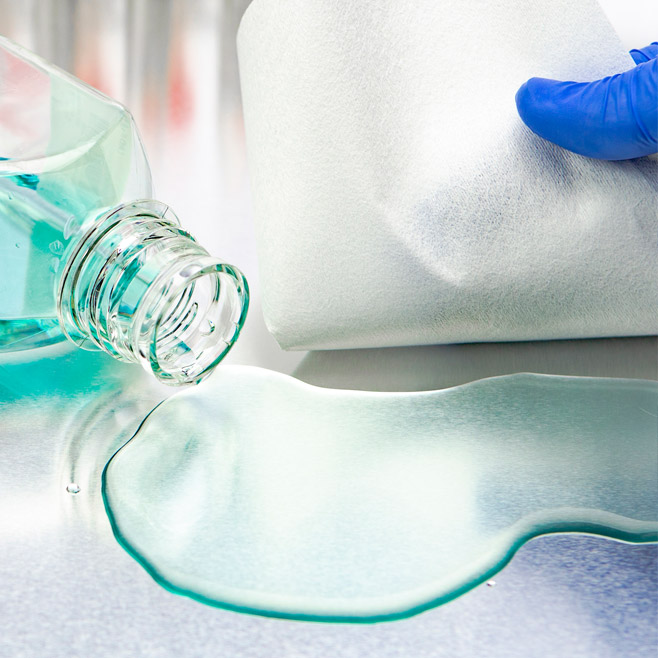
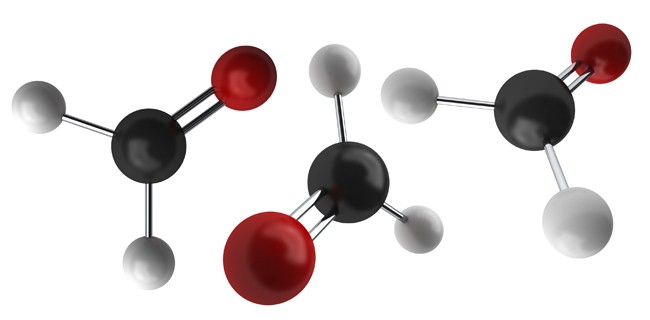
Question We are interested in a wiper that is good for absorbing large amounts of formalin (approximately 40% formaldehyde and 60% water). Any suggestions? Answer Any of our wipers would be compatible with that solution. If you want a nonwoven look for the ones with the higher Sorbency Efficiencies – the most absorbent for their [Read More…]
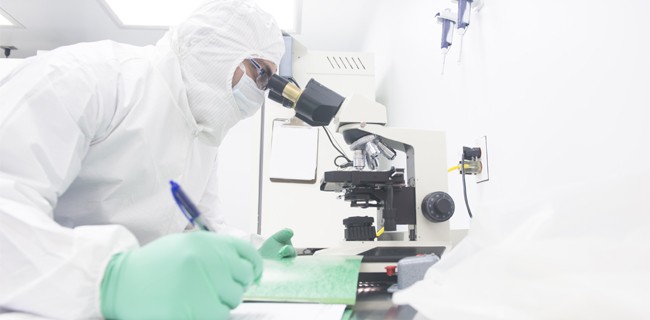
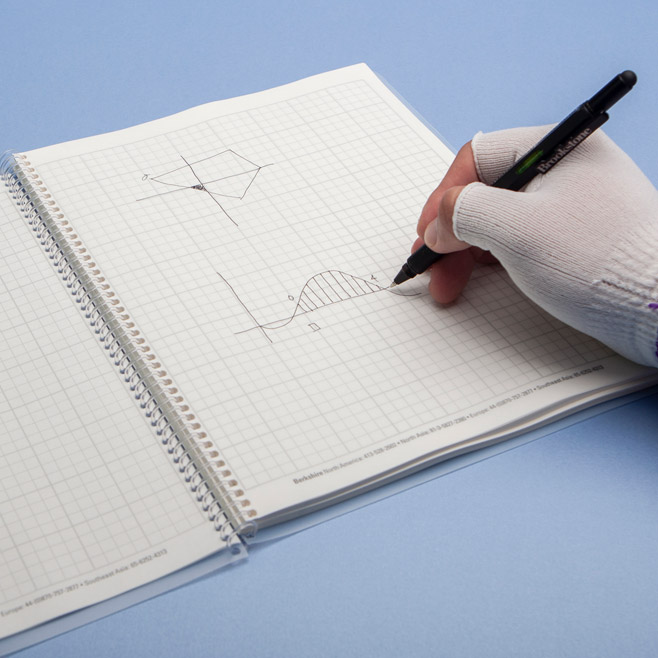
Question This paper can be autoclaved for Grade A/B cleanroom areas, but can it be used with an inkjet printer and a copier? Will handwritten ink or marker smear or bleed on the paper? Will handwritten ink or marker smear or bleed on the paper when exposed to water or 70% alcohol spray? Answer Our Berkshire [Read More…]
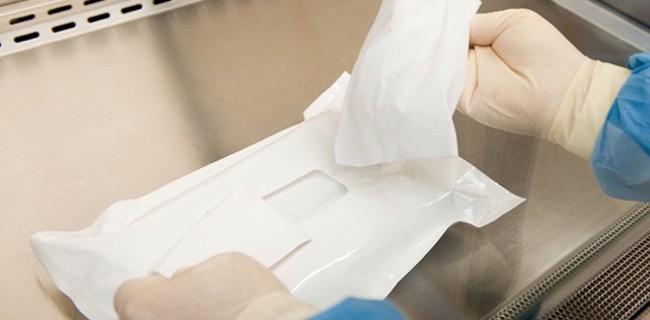
he final step in the manufacture of sterile wipers (either dry or pre-wetted) is gamma irradiation to destroy all viable organisms that may be present on the wipers or on associated packaging. A source of confusion that often arises is how best to introduce packages of sterile wipers into the sterile suite. Most users understand [Read More…]
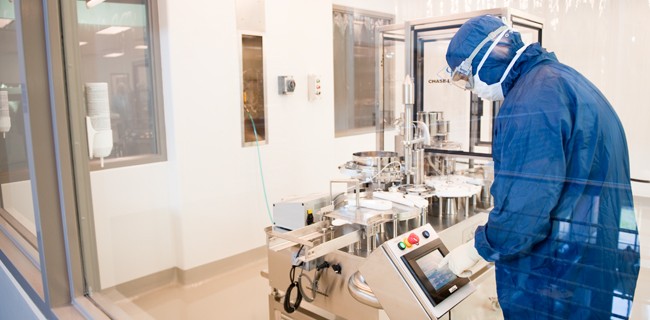
Let’s focus on one of the most challenging cleaning requirements for the pharmaceutical industry – cleaning equipment used to manufacture injectable materials – so called “parenteral drugs”. These materials must be made in environments that are absolutely clean and sterile, because there is no opportunity for the drugs to be sterilized after packaging – i.e. [Read More…]
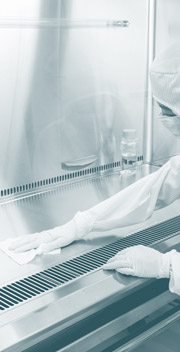
The surfaces have been wiped and the obvious question is: How clean are they? Start with what you see. Do the surfaces look visibly clean? If not, the wiping activity is not yet done. Wipe to the absence of visible soil on both the surface and the wiper. Keep wiping until the last wiper shows [Read More…]
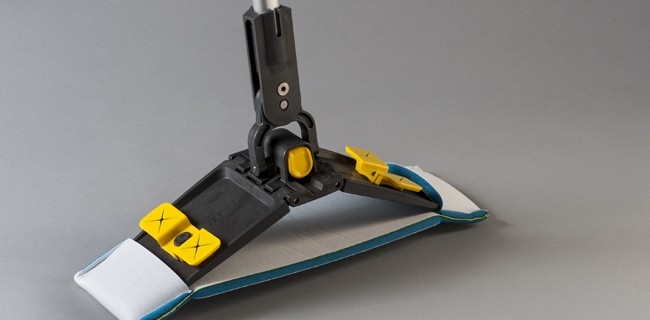
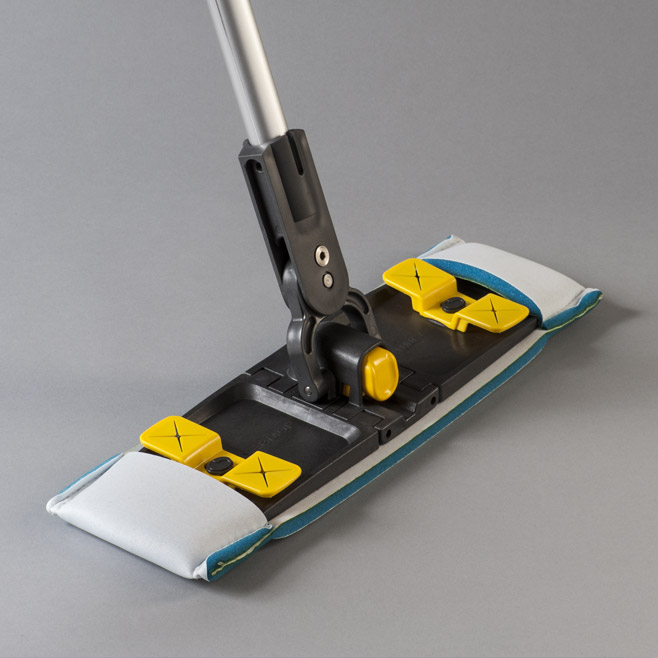
In a cleanroom, cleaning floors and walls is like cleaning other surfaces, only more so – larger surface areas and corresponding larger wiping cloths. Let’s start with floors. The same principles apply to wiping floors as described previously in Particles on Surfaces Part 4 – use linear wiping strokes and wipe from clean to dirty. To achieve [Read More…]
Before we address wiping techniques, we might well question the need for wiping. After all, if capillary forces hold particles to surfaces strongly enough that the particles can’t easily get airborne, why the great concern to remove the particles by wiping? The simple answer is embodied in two words: Contact Transfer. That’s the means by which [Read More…]
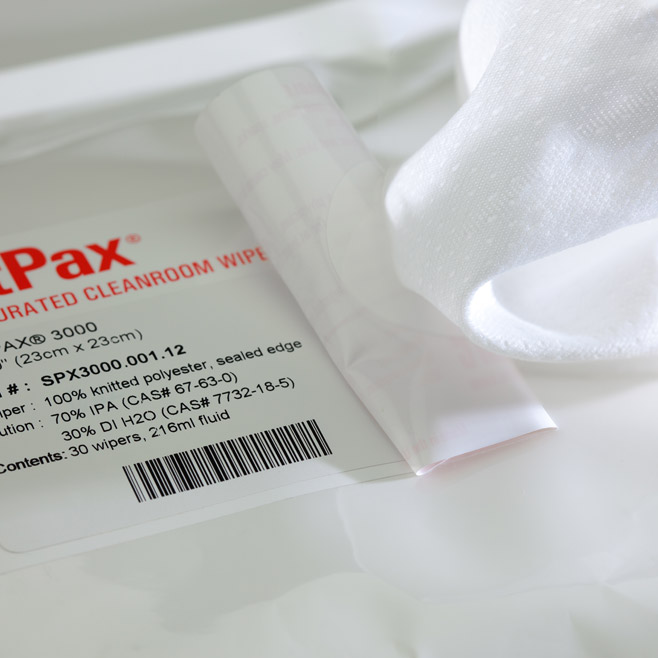
In Particles on Surfaces – Part 2, we learned that thin liquid layers between particles and surfaces serve as the binding forces between the two. By lowering the surface tension of this liquid layer – typically water – we can decrease the binding force and assist in the removal of particles. Isopropyl alcohol (IPA) – as [Read More…]