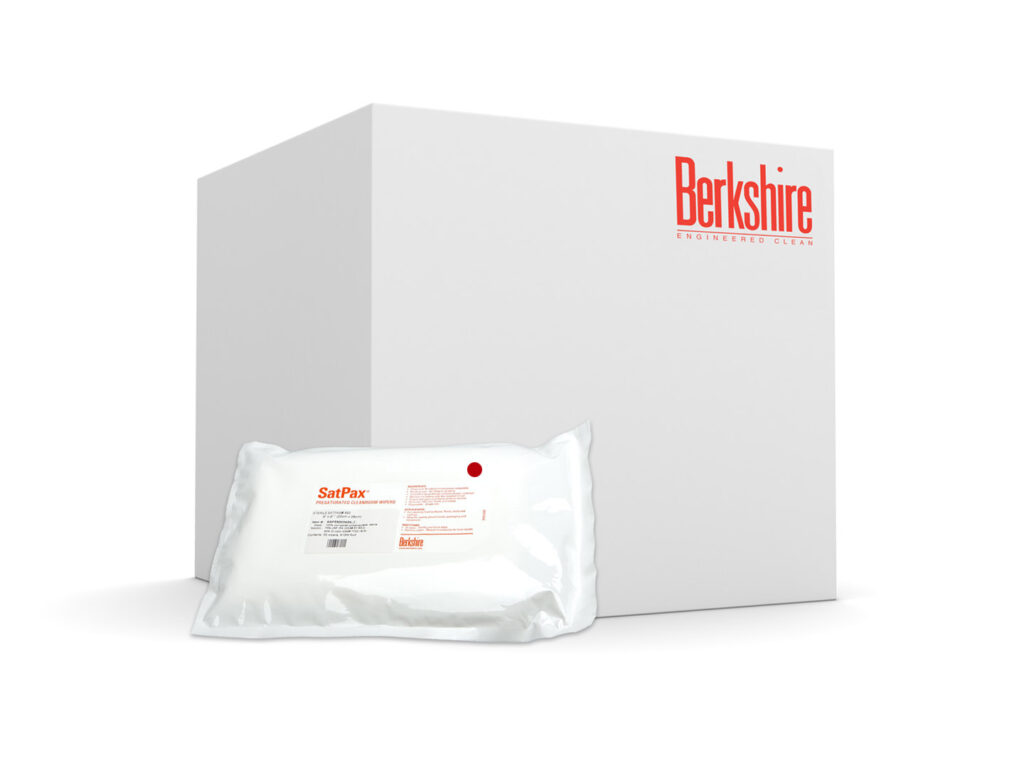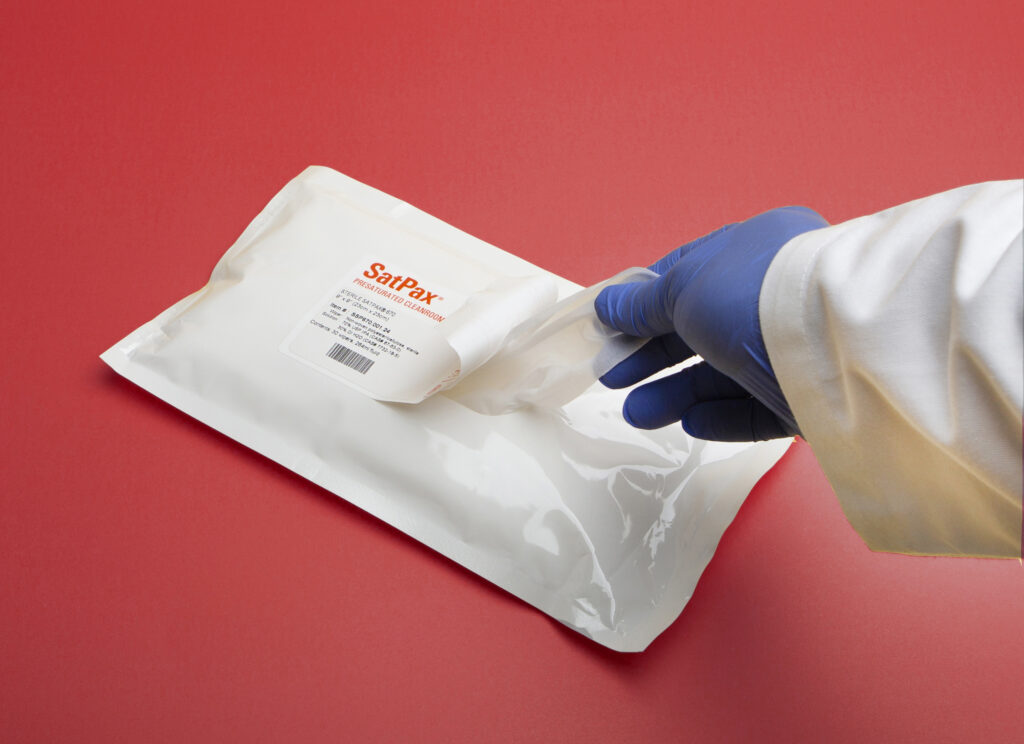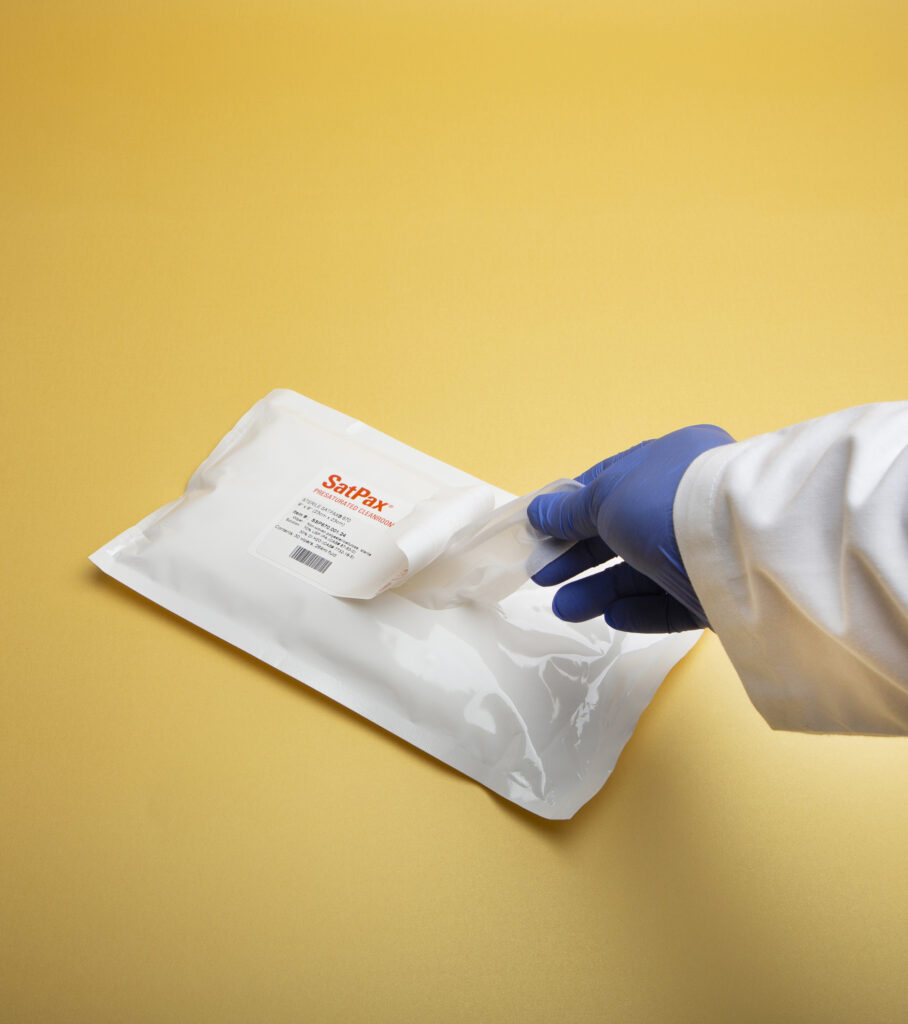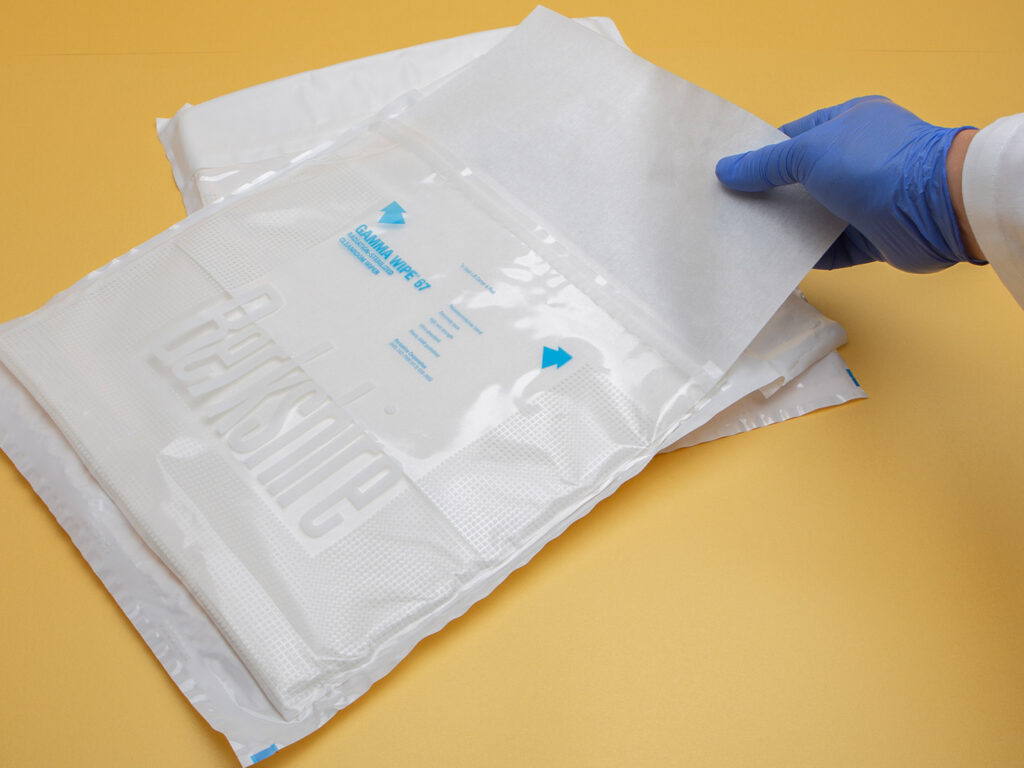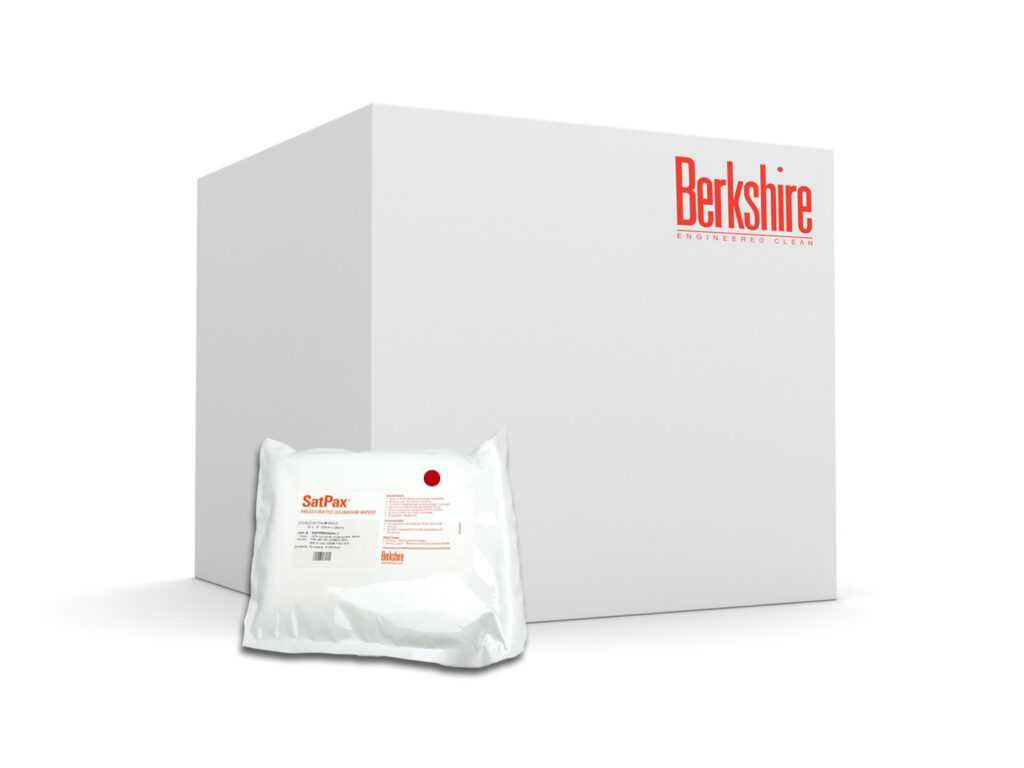

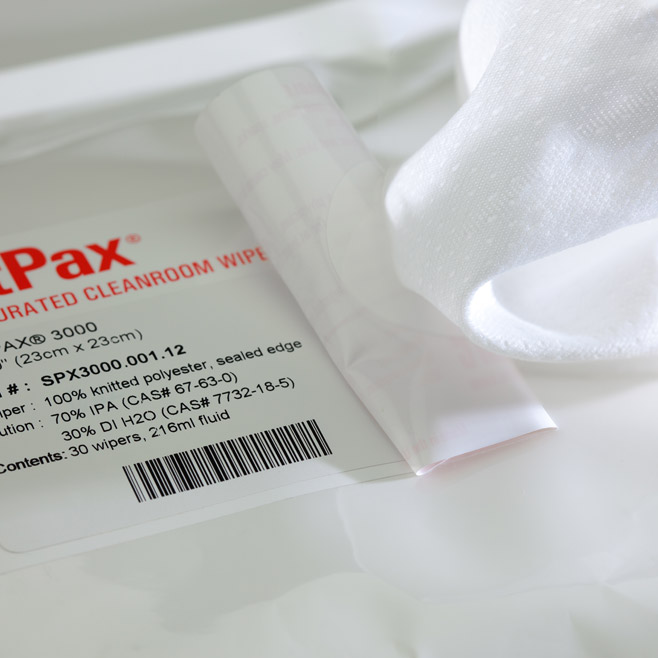
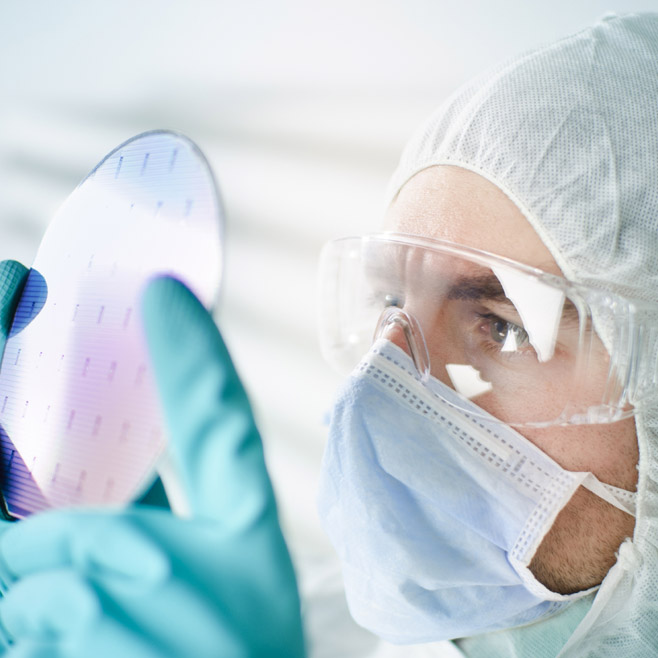
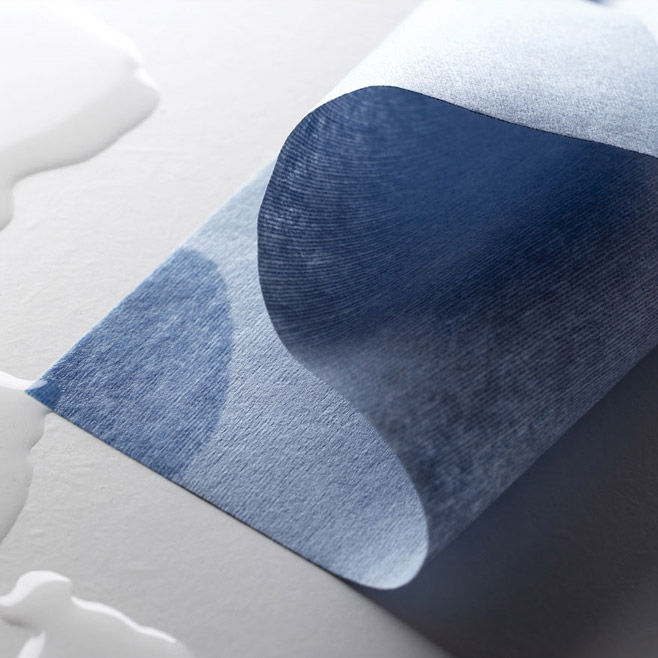
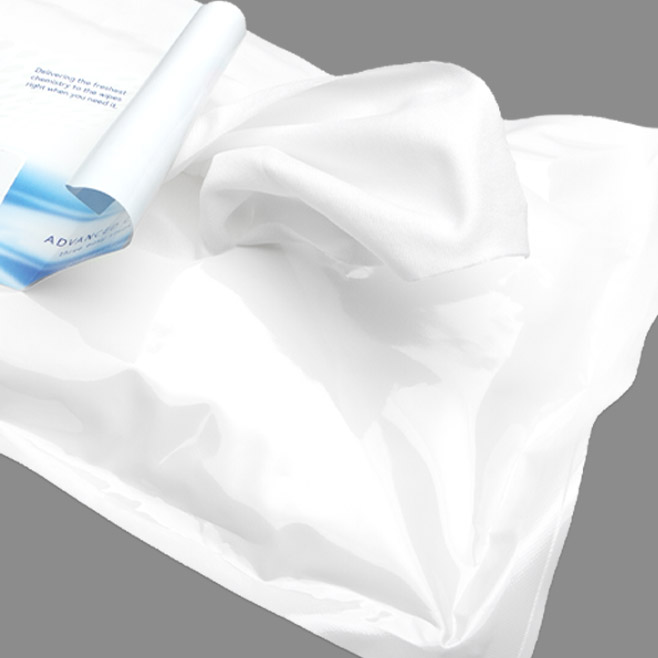

Validated Sterile wipes are sterilized using gamma-ray bombardment. In addition, to confirm their sterility levels, they also undergo testing according to the appropriate Sterility Assurance Level (SAL). Sterility assurance means confidence that a product or unit claimed to be sterile is sterile. This assurance is achieved through carefully controlled practices and procedures. The irradiation dosage [Read More…]
Category Archives: Knowledge Base
Gamma Irradiated Wipes are wipes that have been treated with high doses of gamma rays to eliminate microbiological contamination that may be present. This process is known as bioburden destruction and is commonly used in clean rooms where maintaining a sterile environment is crucial. Gamma-irradiated wipes are exposed to a radiation dose the manufacturer assumes [Read More…]
Achieving Cleanliness and Asepsis in Critical Environments When cleaning cleanrooms and critical environments, certain principles are universally applicable. However, the methods and products used to maintain regulatory standards vary considerably. In particular, the differences between aseptic and non-aseptic environments are significant. While both require thorough cleaning to remove dirt, non-volatile chemical residues, ions, metals, and [Read More…]
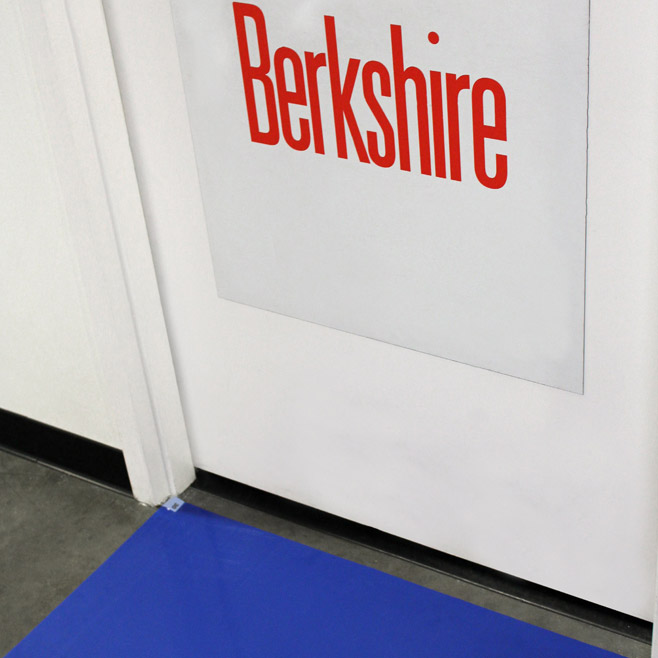
The frequency of peeling off the top layer of sticky mats is dependent on the amount of visible dirt and its loss of tackiness. The top sheet should be removed when it appears contaminated. The amount of traffic into and out of a cleanroom will determine how dirty it gets. Operators should monitor the amount [Read More…]
Removing residues from a cleanroom surface can be challenging. The most widely used disinfectants tend to leave significant residues on surfaces. Disinfectant residues can pose cleanliness and operational risks in cleanrooms and other controlled environments. The United States Pharmacopeia (USP) <1072>, the Parenteral Drug Association’s Technical Report 70 (PDA TR 70), and EudraLex Volume 4 [Read More…]
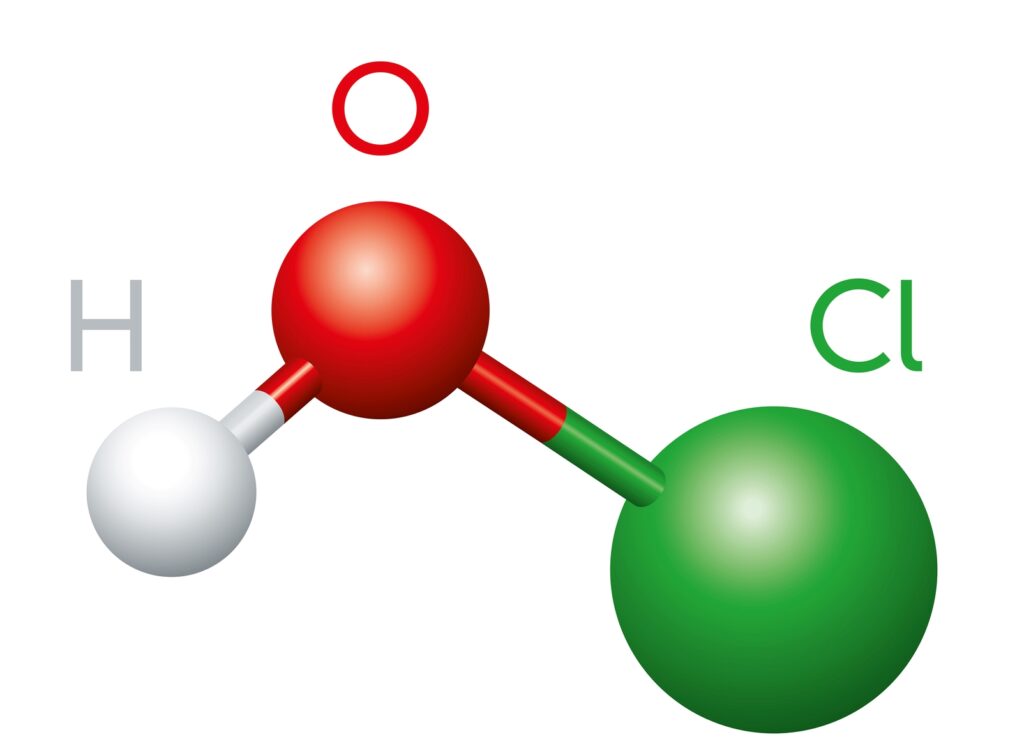
Hypochlorous Acid (HOCl) is a powerful disinfectant that is naturally produced by our white blood cells to fight infection. It is easy to use, inexpensive, and has a good safety profile. It can disinfect large areas quickly and has a broad range of bactericidal and virucidal effects. HOCl consists of three atoms: Hydrogen, Oxygen, and [Read More…]
These aircraft wipes are made with the most advanced technology using powerful water jets to weave the fabric together and purify the material. This results in high-performing, ultra-clean, low-lint wipes and towels without any binders, chemicals, or adhesives that could contaminate your work. If you’re looking for quality and high performance, Berkshire aerospace-grade wipes are [Read More…]
The clean air grades and classifications established by GMP dictate the appropriate environment for producing sterile drugs and biological products. Sterile product manufacturing is categorized into four areas – Grade A, B, C, and D – in compliance with GMP guidelines. Understanding the requirements and grades of GMP can be challenging, especially when dealing with [Read More…]
Diseases pose a constant threat to animal health. Microorganisms can transfer from contaminated surfaces and fomites to animals and other locations. Regular cleaning and disinfection (C&D) is essential in all animal settings to prevent this. Veterinary cleaning products reduce surface pathogen levels, minimize exposure risks, and improve animal well-being. They are a critical component of [Read More…]
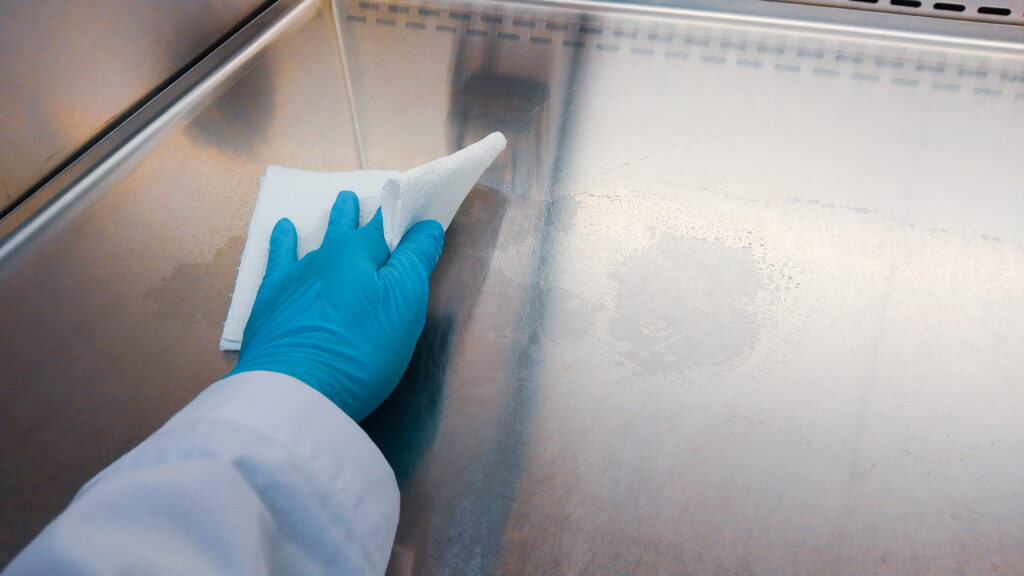
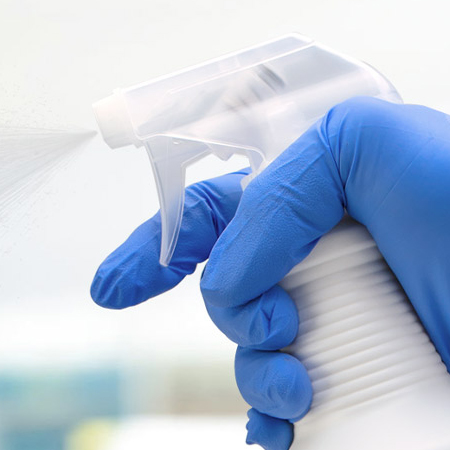
Spray-then-Wipe Technique When using the spray-then-wipe method, apply the disinfectant solution directly onto the surface using a trigger spray bottle, then wipe it to ensure even coverage. This method is best for covering large flat areas. However, relying on the operator to properly spray the right amount of solution or prevent over-spray onto other surfaces [Read More…]