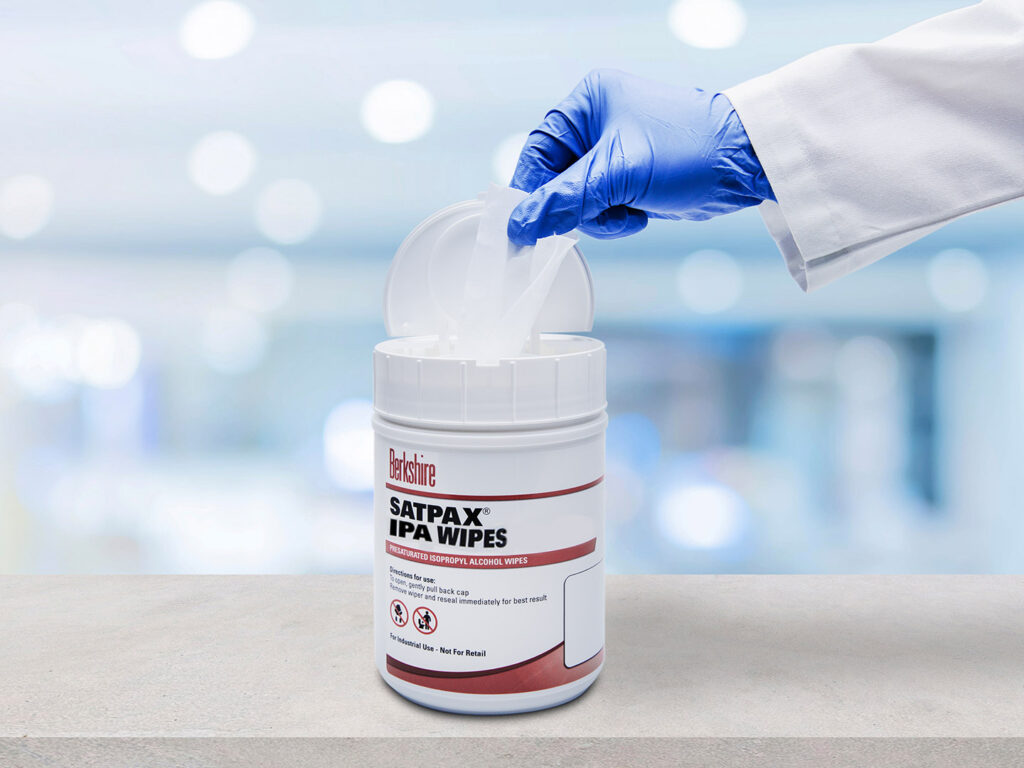





Yes, Berkshire’s SatPax® canisters are recyclable. Made from HDPE (high-density polyethylene) these easy-to-use containers are strong, durable, and recyclable. Please refer to your facility’s Standard Operating Procedures (SOPs) for specific recycling guidelines. The benefits of recycling include: Reduced waste sent to landfills and incinerators Reduction in harm to the ocean, wildlife, and the environment Pollution [Read More…]
Category Archives: Knowledge Base
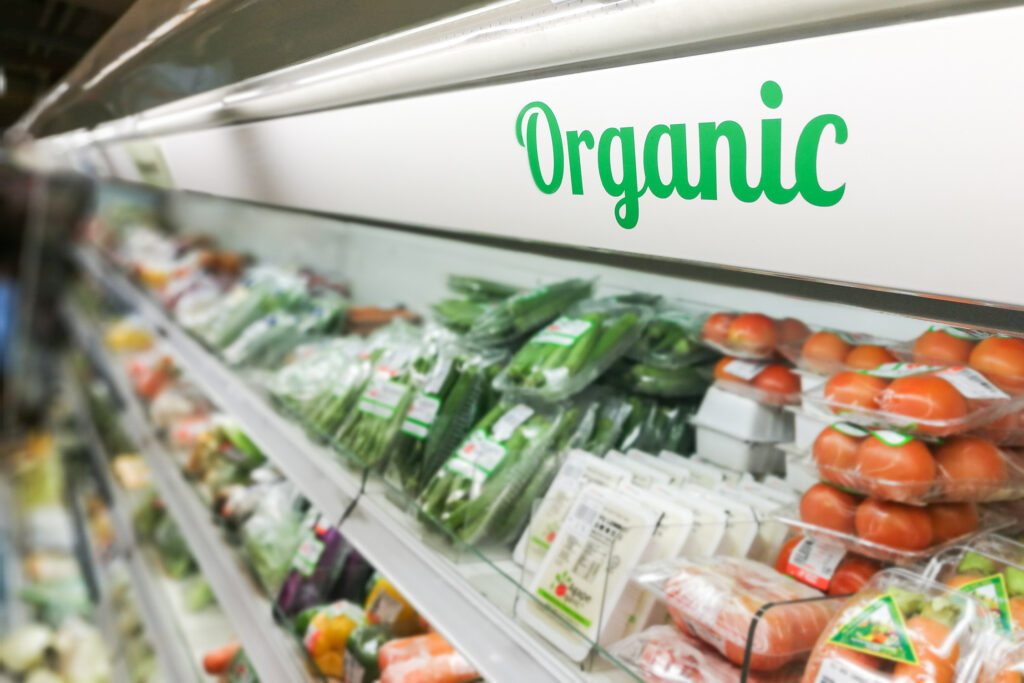
Yes, Berkshire’s VersaHOCl®, an EPA-registered stabilized 0.065% Hypochlorous Acid Solution, is an RTU (Ready to Use) one-step cleaner and disinfectant. Hypochlorous Acid (HOCI) has been evaluated by regulatory agencies in more than 50 countries and is cleared by the FDA and USDA as a high-level disinfectant for organic production and handling operations. It is important [Read More…]
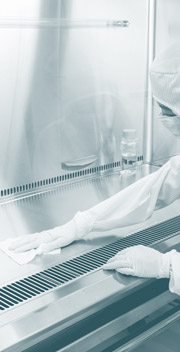
The importance of cleaning must be balanced in the context of environmental management. Cleanroom maintenance and procedures must be meticulously documented and followed. To establish an effective cleanroom cleaning protocol, the following questions should be addressed: – Which surfaces require cleaning?– What level of cleanliness is necessary?– How will the cleanliness be measured?– What cleaning [Read More…]
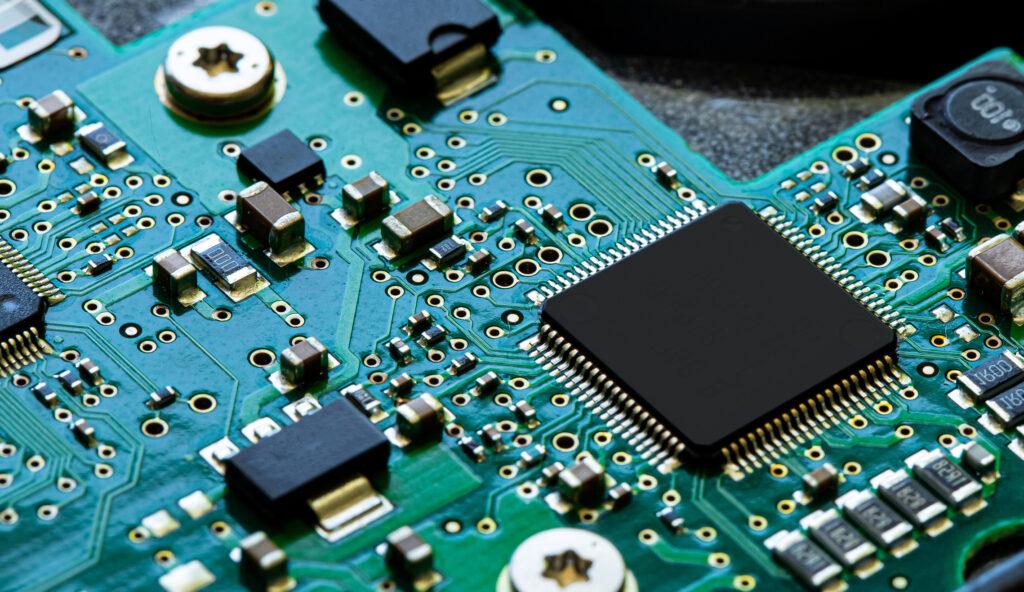
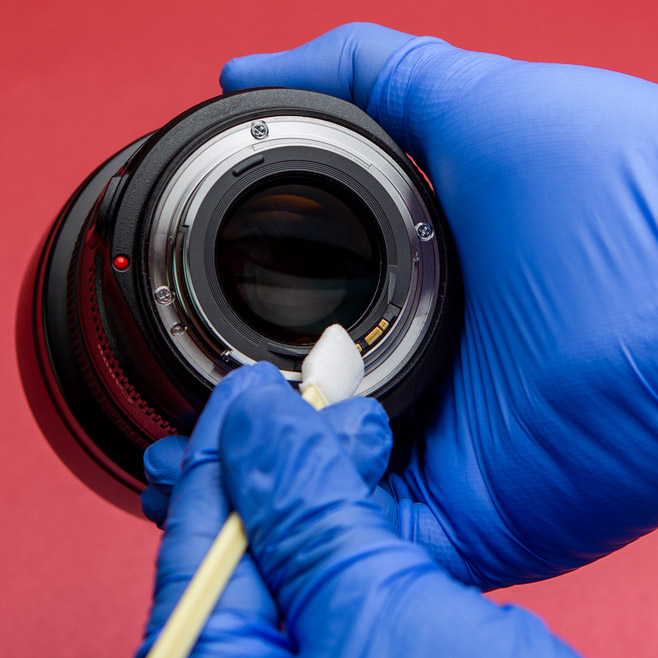
When it comes to effectively cleaning and removing excess solder paste, flux, epoxies, and alloys from sensitive PCBs, especially when Electrostatic Discharge (ESD) contamination is a concern, Berkshire’s Lab-Tips® LTO70PESD20 is an excellent choice. This swab is designed for post-soldering cleaning in small, grooved, and hard-to-reach areas, making it ideal for intricate PCB assemblies. The [Read More…]
This video examines VersaHOCl’s compatibility with metals commonly found in cleanrooms, healthcare facilities, manufacturing plants, and industrial environments where safe, effective disinfection is crucial. We’ll compare VersaHOCl® – our hypochlorous acid cleaner and disinfectant – with two other disinfectants that share similar antimicrobial efficacy profiles—bleach and a peracetic acid solution—on three types of metal: galvanized [Read More…]
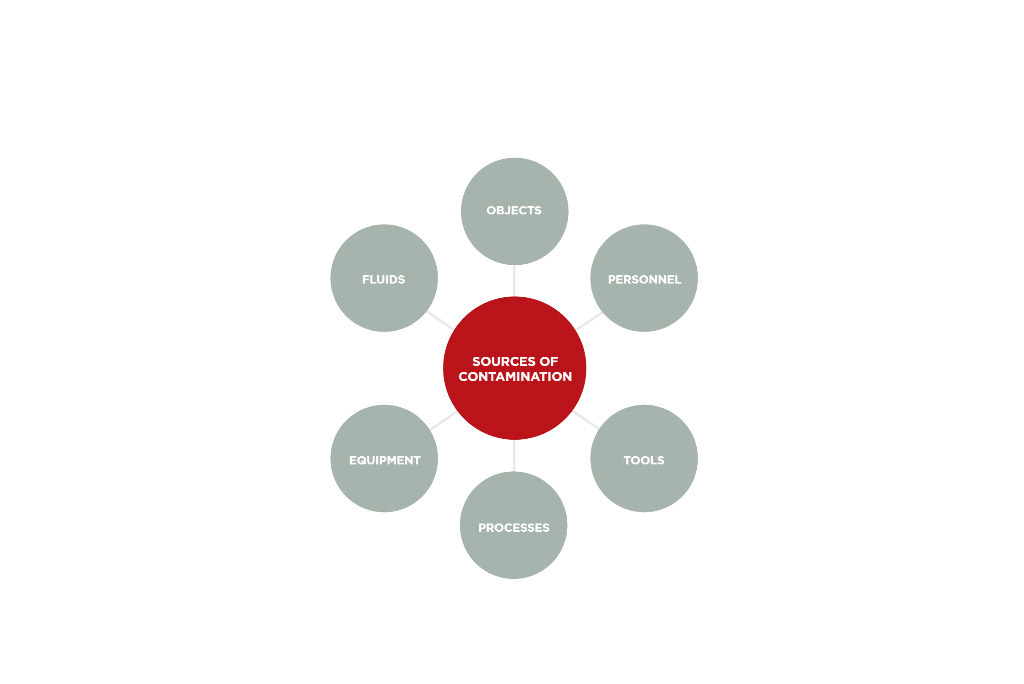
SOURCES OF CLEANROOM CONTAMINATION What Are The Most Common Sources Of Contamination In A Cleanroom? People & Personnel – saliva, skin flakes, human hair, cosmetics, perspiration Objects – floating particles from aerosols, moisture Fluids – process residues: grease, lubricant oil residue, solvent residue, process chemicals Tools -stagnant water in water lines and tanks is prone [Read More…]
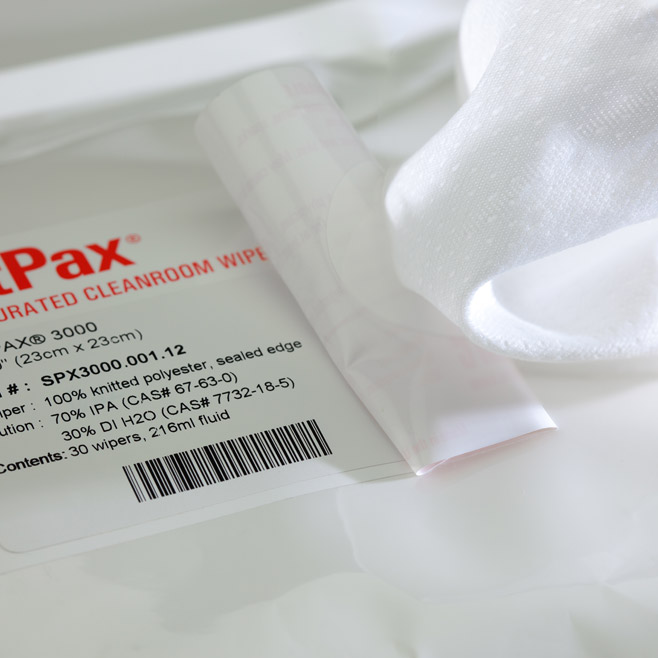
Berkshire Wipes come in a number of IPA percentage levels. Use our guide below to find the percentage you are looking for. 6% IPA WIPES 9% IPA WIPES 70% IPA WIPES 99% IPA WIPES 100% IPA WIPES
Considerations For a Successful EU ANNEX-1 Contamination Control Strategy Contamination control is a regulatory requirement. Effectively managing microbial contamination within companies requires establishing a comprehensive contamination control system (CCS) as an essential component of their operational processes to ensure successful product outcomes. This process involves deeply understanding potential contamination risks and the scientific principles underlying [Read More…]
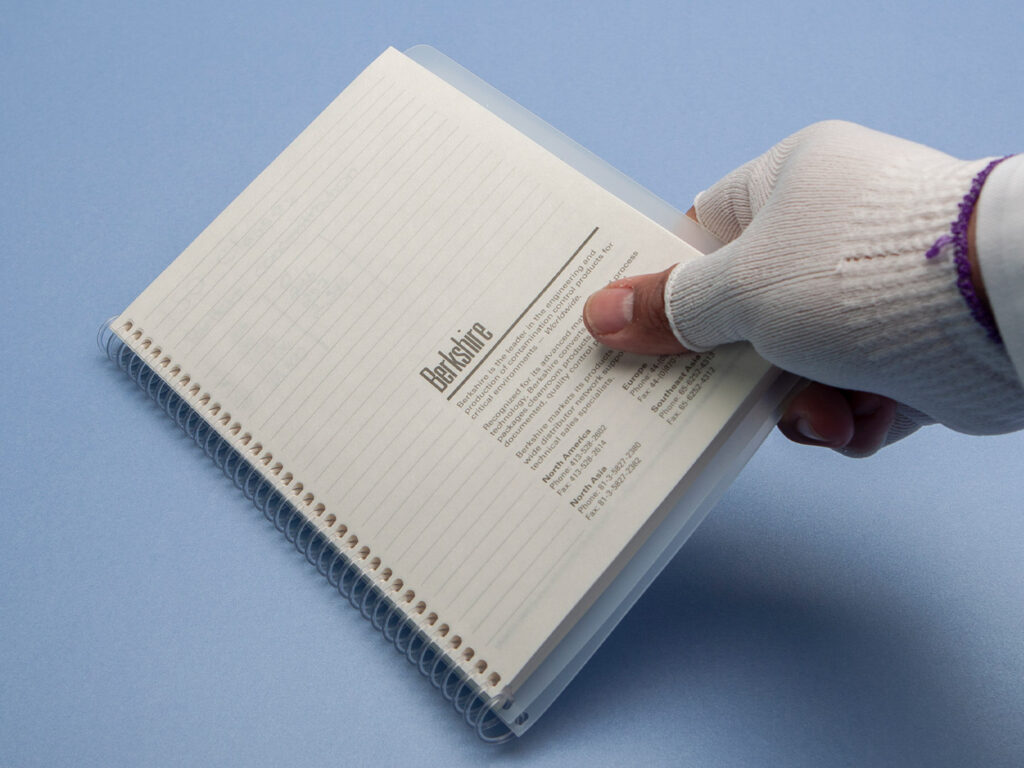
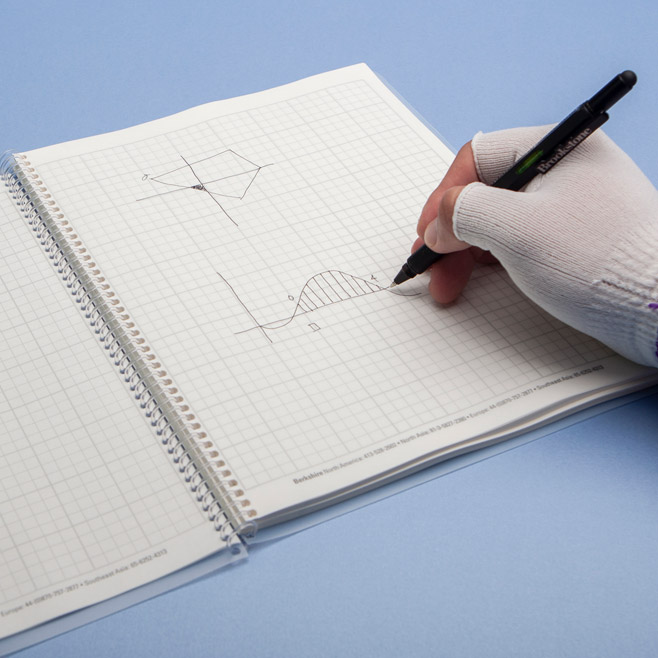
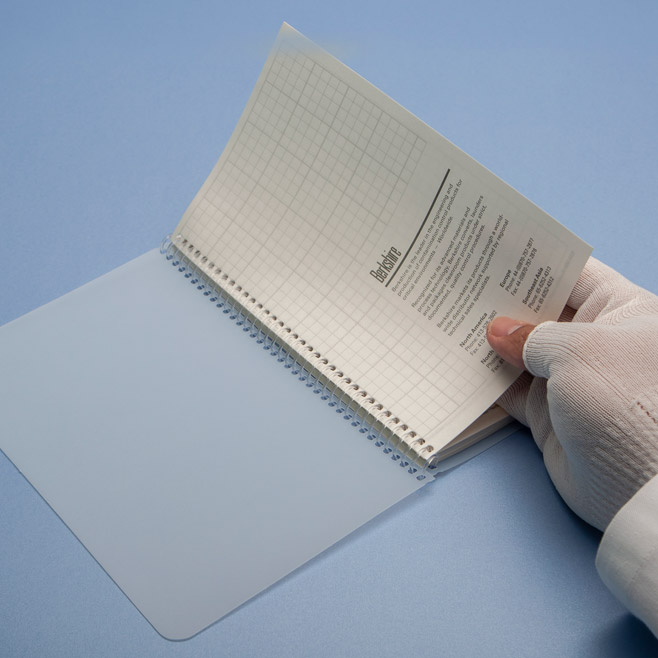
Cleanroom paper and notebooks are used in cleanroom environments to prevent chemical exposure and particle contamination. They are designed for writing, printing, and photocopying and are made from unique materials different from regular bond paper. Cleanroom paper is made through a specialized process that involves using low-particulate and latex-coated fiber to prevent particle release. This [Read More…]